
Why do some logos instantly grab your attention while others go unnoticed? It’s not just the design; it’s the logo color combinations behind it.
The right color palette for logo design can make your brand stand out, build trust, and trigger emotional responses. From bold and energetic to calm and professional, color plays a powerful role in how your audience perceives you.
In this post, we’re breaking down 17 logo color combinations that work, backed by logo color psychology. These combinations will help you create a logo that’s not just seen but remembered.
Why Logo Color Combinations Are Important
Before diving into the 17 best logo color combinations, it’s crucial to understand why color matters. The right combination does more than look good; it communicates your brand’s personality, values, and purpose instantly.
Logo colors are one of the first things people notice about your brand, making a well-crafted business logo design essential for creating a lasting impression. They send a message before anyone reads your name or understands what you do. The best colors for business logo success are those that align with your brand identity and resonate emotionally with your target audience.
Certain colors evoke specific feelings:
- Red + black can feel bold and powerful.
- Blue + white may convey cleanliness and professionalism.
Choosing the best logo color palette creates balance and confidence. When color schemes for logos work well together, they enhance your brand’s appeal. But if they clash, they can confuse or even alienate your audience.
- A well-matched palette creates harmony.
- A poor mix may leave people with a negative impression.
Ultimately, your logo color ideas should make your brand feel just right at first glance.
Now that we’ve seen why colors matter, let’s explore how specific hues shape emotions through color psychology.
Understanding Color Psychology in Logo Design
Now that we’ve established why choosing the right color combination is vital, let’s dive into the psychology behind each color. Color psychology in logo design explores how colors influence emotions and behaviors, playing a significant role in shaping how your audience perceives your brand.
Each color evokes specific emotions. The right color scheme in your logo helps build trust and create memorable first impressions. When chosen carefully, good logo color combinations can turn a simple mark into a powerful identity.
On the other hand, mismatched colors can lead to confusion or negative associations. That’s why understanding logo color psychology is essential for creating an effective design.
As proof of how effective color psychology can be, we can look at the color choices made by some of the world’s most successful brands.
Color Choice by the Biggest Brands
According to industry studies, top global brands consistently choose colors that align with the emotions they want to evoke:
These color choices highlight how powerful and intentional color selection can be in shaping a brand’s identity. Now, let’s explore how each color impacts psychological perceptions and how you can apply this knowledge to create a memorable and impactful logo
Now, let’s dive into how each color influences psychological perceptions:
1. Red
Red symbolizes energy, passion, excitement, and a sense of urgency. It’s bold, emotional, and demands attention; ideal for industries that want fast action, like food and retail.
Many top logo color lists include red for its emotional power. It’s commonly seen in great color combinations for logos aiming for a strong emotional impact.
2. Blue
Blue is calming, trustworthy, and professional. It’s widely used in industries like finance, technology, and healthcare to evoke feelings of security, trust, and reliability.
It frequently appears in the best logo colors due to its dependable nature. When combined with white or gray, it becomes a classic logo color combination that exudes professionalism.
3. Yellow
Yellow stands for optimism, happiness, and creativity. It grabs attention and can evoke feelings of positivity.
It’s a great choice in color schemes for logos in entertainment or food brands. Combined with black or gray, it creates a strong yet cheerful color palette for logo branding.
4. Green
Green represents nature, health, and growth. It’s a common pick for eco-friendly brands due to its natural and calming feel.
In logo color psychology, green reflects renewal and prosperity. It’s one of the best colors for business logo designs focused on wellness, sustainability, or finance.
5. Purple
Purple is luxurious, creative, and elegant. It’s often used by artistic, fashion, or beauty brands looking to stand out.
Purple is one of the top logo colors for premium branding. Paired with silver or black, it creates some of the great color combinations for logos that feel both rich and unique.
6. Orange
Orange merges the energy of red with the cheer of yellow. It’s playful and confident; great for tech, startups, and entertainment.
Orange and navy or orange and gray are considered the best logo color combinations in modern branding.
7. Black
Black is associated with power, sophistication, and elegance. It is often used to represent authority, luxury, and simplicity.
Black combined with gold or red is a good logo color combination for high-end or fashion brands.
8. Pink
Pink conveys love, compassion, and nurturing. It’s perfect for brands targeting women or promoting wellness.
In color psychology in logo design, pink creates a feeling of approachability and emotional warmth, ideal for beauty and lifestyle businesses.
9. Brown
Brown is earthy, dependable, and warm. It works well for food, agriculture, and outdoor brands looking to feel grounded.
It’s not flashy, but brown and beige or green are often overlooked as great color combinations for logos in rustic or organic branding.
10. Gray
Gray symbolizes balance and professionalism. While it may seem neutral, paired correctly, it delivers elegance and stability.
It’s a go-to color palette for logo design for tech, real estate, and legal firms. Gray combined with navy or blue makes the best color for a logo duo.
Types of Color Combinations
Picking the right types of color schemes can elevate your logo from ordinary to iconic. The goal is to communicate your brand clearly and emotionally.
While there are many types of color combinations used in logo design, this article highlights the three most popular ones. These combinations consistently deliver strong visual impact and emotional resonance.
1. Complementary Colors
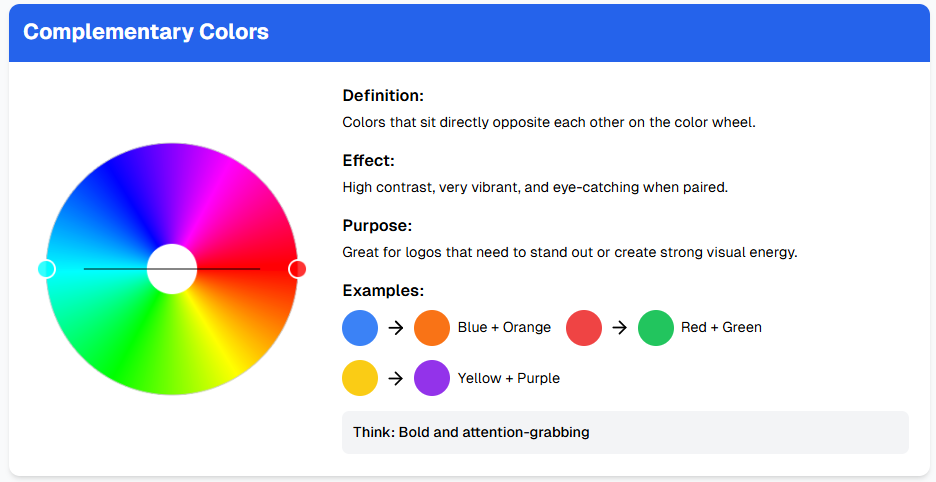
These pairs of colors are opposite each other on the color wheel—think blue and orange or red and green. They create high contrast and are great for brands that want to stand out with bold, striking logo color combinations.
They’re commonly used in the best logo color combinations because they demand attention while maintaining harmony.
2. Analogous Colors
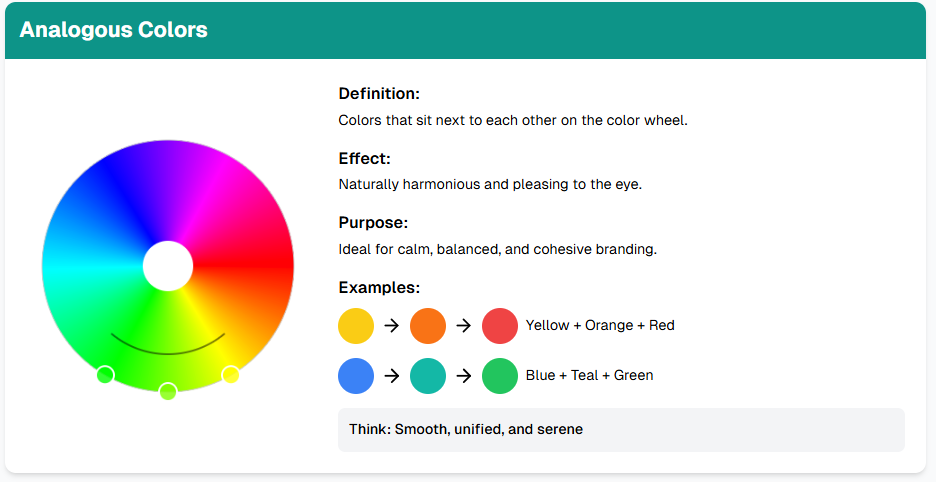
Analogous colors sit next to each other on the wheel, like yellow, orange, and red. These schemes feel natural and balanced, great for brands that want to feel friendly and cohesive.
Analogous color schemes for logos help evoke calm and consistency, perfect for wellness, fashion, or food industries.
3. Triadic Colors
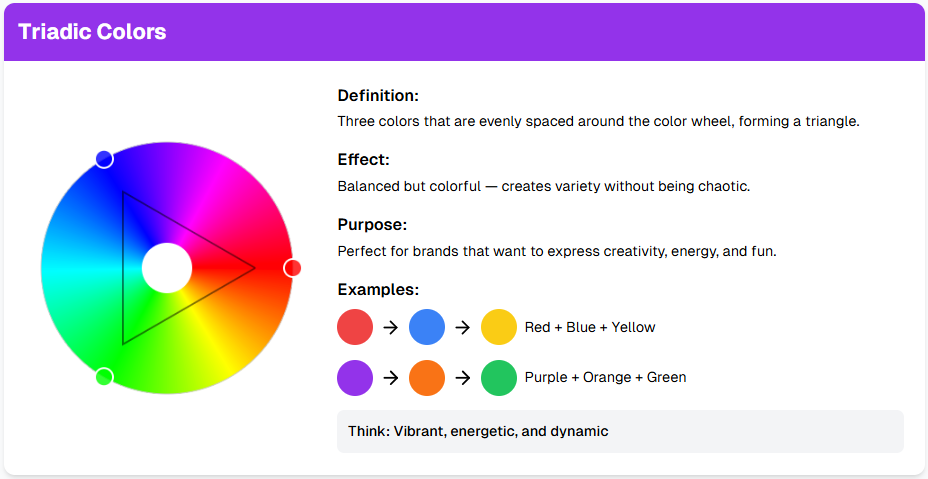
Triadic schemes use three evenly spaced colors on the wheel, like red, blue, and yellow. These are vibrant, well-balanced, and offer tons of flexibility.
Triadic color scheme types create fun and lively logo color ideas for playful or creative businesses.
By understanding the psychology and purpose behind these types of color schemes, you’ll be better equipped to select the best color for logos that align with your brand’s message and personality.
Armed with these color schemes, here are 17 logo color combinations that bring psychology to life.
17 Logo Color Combinations That Actually Work
Now that you understand why logo color combinations are important, the psychology behind colors, and how many colors a logo should use, let’s dive into 17 proven great color combinations for logos. These carefully chosen pairings are frequently used by brands to evoke specific emotions and communicate powerful messages.
These pairings aren’t just visually appealing. They are grounded in logo color psychology, helping to create logos that resonate with audiences and stay memorable.
Here are the 17 best logo color combinations that work effectively for brands:
1. Teal Blue & Mint White
Teal blue paired with mint white creates a refreshing, modern aesthetic. The deep richness of teal blue conveys professionalism and trust, while mint white adds a crisp, clean contrast that balances the overall design. This combination is perfect for industries like health, wellness, or sustainability, as it exudes clarity, calm, and an innovative spirit. The combination feels inviting, intelligent, and approachable without being overpowering, making it ideal for digital and print media alike.
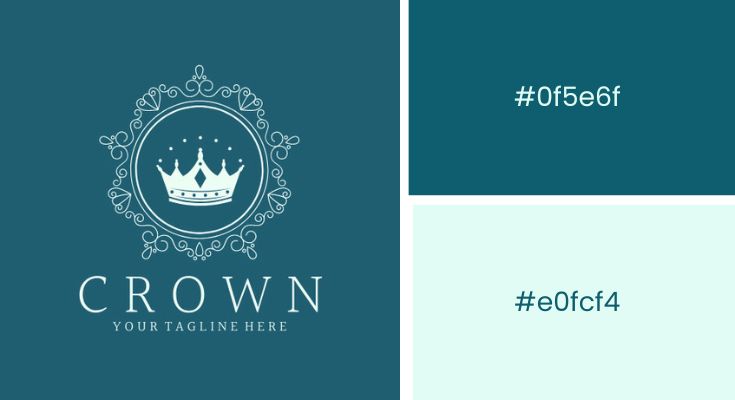
[ Hex Codes: Teal Blue #0f5e6f, Mint White #e0fcf4 ]
2. Plum Purple & Blush Beige
Plum purple and blush beige deliver a sophisticated yet warm palette. The richness of plum invokes elegance, luxury, and creativity, while blush beige softens the design with a grounded, neutral tone. Together, they strike a perfect balance between boldness and warmth, making this pairing ideal for a beauty logo, boutique brand, or high-end creative service. The contrasting hues evoke a sense of timeless beauty, blending tradition with modern aesthetics.

[ Hex Codes: Plum Purple #422645, Blush Beige #f3e2d1 ]
3. Navy Blue & Pale Gray
Navy blue and pale gray combine professionalism with timeless elegance. While navy blue conveys trust, intelligence, and stability, pale gray adds a calming, modern touch. Together, they create an ideal palette for industries where credibility is crucial, such as consulting, finance, or tech. This color pairing delivers a polished, sophisticated look without feeling too rigid or sterile, making it a smart choice for brands that aim to be both serious and approachable.

[ Hex Codes: Navy Blue #102a57, Pale Gray #dbe0ea ]
4. Ice Blue & Crimson Red
Ice blue and crimson red create a dynamic, high-energy contrast. The cool, light tones of ice blue set a calm, clean stage, while the boldness of crimson red evokes passion, urgency, and energy. This pairing is particularly effective for tech startups, fitness brands, or any company that wants to communicate dynamism and modernity. It’s vibrant, striking, and designed to grab attention, making it ideal for logos that need to stand out in competitive markets.

[ Hex Codes: Ice Blue #e8f2fc, Crimson Red #dc0227 ]
5. Forest Black & Frost White
Forest black and frost white form a bold, high-contrast combination that communicates both sophistication and minimalism. The deep richness of forest black conveys seriousness and depth, while frost white adds clarity and enhances readability. This pairing suits luxury, eco-conscious, or minimalistic brands, evoking elegance, refinement, and a sense of exclusivity. Visually impactful across platforms, it helps your brand stand out with purpose, not excess.

[ Hex Codes: Forest Black #021a16, Frost White #f8fcfe ]
6. Charcoal Purple & Bubblegum Pink
Charcoal purple and bubblegum pink blend depth with playfulness in an unexpected yet striking way. While charcoal purple evokes mystery and sophistication, bubblegum pink brings a youthful, energetic vibe. Together, they create a bold, trendy, and attention-grabbing palette that’s perfect for fashion, creative, or lifestyle brands targeting a modern audience. The combination stays fun and fresh without losing its stylish edge.

[ Hex Codes: Charcoal Purple #302b3f, Bubblegum Pink #f888c2 ]
7. Royal Violet & Cloud White
Royal violet and cloud white make for a refined and dreamy combination. The richness of royal violet commands attention, while the softness of cloud white keeps the design light and airy. This combination works beautifully for wellness, beauty, and artistic brands that want to exude creativity, luxury, and cleanliness. It conveys a sense of spirituality and sophistication, making it an ideal choice for premium or artistic identities.

[ Hex Codes: Royal Violet #644d9b, Cloud White #fdfafd ]
8. Midnight Navy & Cool Gray
Midnight navy paired with cool gray strikes a perfect balance between authority and subtlety. It evokes strength, stability, and professionalism, while cool gray introduces a modern, neutral touch. The combination is ideal for corporate, financial, or governmental organizations that need to convey trustworthiness and maturity. Timeless and versatile, it ensures your brand remains credible across a wide range of industries.

[ Hex Codes: Midnight Navy #091822, Cool Gray #a5a8ac ]
9. Soft Yellow & Jet Black
Soft yellow and jet black form a high-contrast, bold combination that remains welcoming and energetic. The warmth and brightness of soft yellow make it inviting, while jet black adds sophistication and a sense of seriousness. Together, they create a vibrant yet readable palette that works especially well for food, retail, and entertainment brands, ensuring strong visibility and appeal across both physical and digital platforms.

[ Hex Codes: Soft Yellow #ffedb3, Jet Black #070301 ]
10. Indigo Navy & Antique Gold
Indigo navy and antique gold combine classic elegance with a touch of regal luxury. Representing intelligence and depth, indigo navy sets a strong foundation, while antique gold brings in a rich, opulent accent. The combination is especially well-suited for law firms, universities, or luxury brands aiming to convey prestige and excellence. It evokes a sense of tradition and gravitas, giving your brand a timeless and refined appearance.
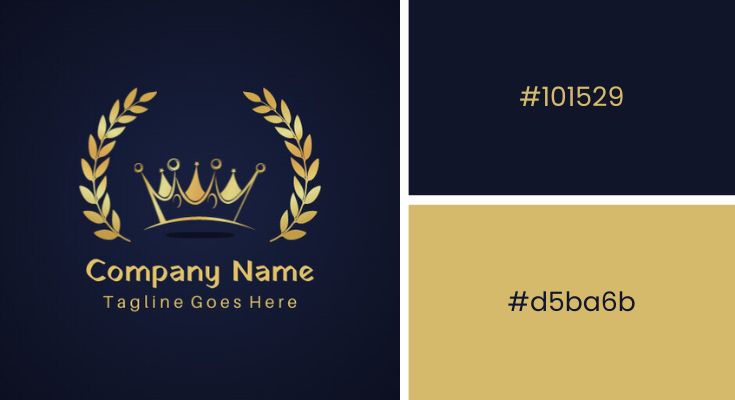
[ Hex Codes: Indigo Navy #101529, Antique Gold #d5ba6b ]
11. Dark Sapphire & Tangerine Orange
Dark sapphire and tangerine orange create a vibrant, high-energy combination that feels both professional and exciting. The deep tones of dark sapphire provide a sense of authority and sophistication, while tangerine orange injects energy, creativity, and movement. This pairing is perfect for tech, sports, or entertainment brands that want to stand out and appeal to a dynamic audience. It’s bold, expressive, and unforgettable.
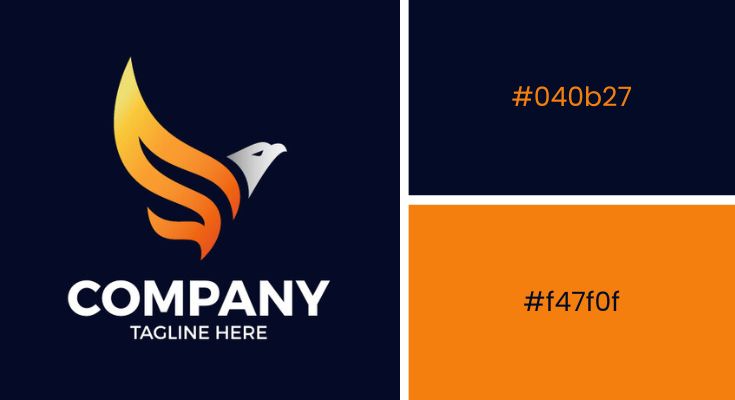
[ Hex Codes: Dark Sapphire #040b27, Tangerine Orange #f47f0f ]
12. Crimson Maroon & Muted Bronze
Crimson maroon and muted bronze offer a rich, earthy palette that exudes warmth, passion, and authenticity. The emotional depth of crimson maroon pairs beautifully with the grounded, vintage character of muted bronze, making it a perfect fit for a vintage logo. This combination is ideal for artisanal, culinary, or heritage brands that value craftsmanship and nostalgia. The result is an identity that feels authentic, memorable, and full of personality.
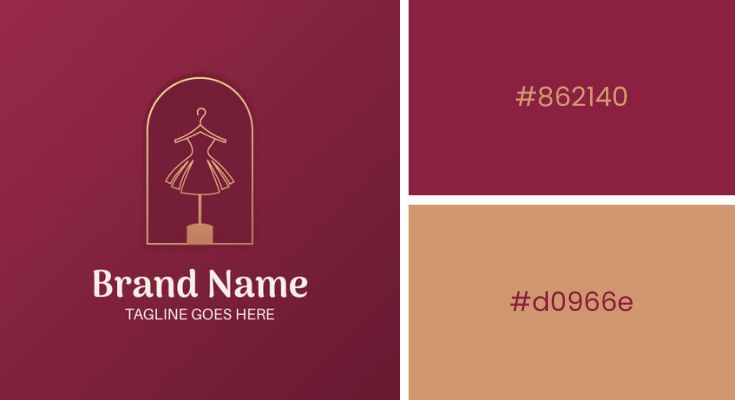
[ Hex Codes: Crimson Maroon #862140, Muted Bronze #d0966e ]
13. Deep Teal & Arctic White
Deep teal and arctic white form a sophisticated yet modern color palette. The calming, serious tone of deep teal pairs well with the clarity and openness brought by arctic white. Together, they’re an excellent fit for healthcare, finance, or clean-tech companies aiming to convey trustworthiness and innovation. This balanced pairing grounds a brand while maintaining a fresh, contemporary feel.

[ Hex Codes: Deep Teal #003032, Arctic White #fcfefe ]
14. Bright Red & Pure White
Bright red and pure white create a high-impact, high-contrast logo combination that instantly grabs attention. The red evokes urgency, passion, and energy, while the white maintains a clean, fresh aesthetic. Together, they’re ideal for food, retail, or activism brands aiming to make a bold visual statement. This pairing is simple, powerful, and highly readable, ensuring your message gets noticed.

[ Hex Codes: Bright Red #ce2724, Pure White #fffefe ]
15. Hunter Green & Soft Cream
Hunter green and soft cream create a harmonious blend of earthy elegance. Deeply connected to nature and growth, hunter green brings a rich, grounded feel, while soft cream offers a soft, calming balance. Ideal for eco-friendly, sustainable, or artisanal brands, this pairing communicates sophistication without being overly trendy. It’s a blend that feels both elegant and natural, making it perfect for products and services emphasizing sustainability.

[ Hex Codes: Hunter Green #12312c, Soft Cream #fdf0c6 ]
16. Dusty Plum & Sky Blue Tint
Dusty plum and sky blue tint combine emotional depth with refreshing lightness. While dusty plum evokes sophistication, sky blue tint introduces a serene, calming touch. This palette works beautifully for wellness, lifestyle, or artistic brands looking to convey calmness and creativity. It creates a soothing yet expressive identity, making it perfect for brands with a thoughtful and tranquil personality.

[ Hex Codes: Dusty Plum #342b46, Sky Blue Tint #c2dbe8 ]
17. Magenta Pink & Ivory White
Magenta pink and ivory white create a striking contrast that feels both energetic and refined. Bold and creative, magenta exudes passion, while ivory white softens the design with warmth and sophistication. This combination is ideal for beauty, fashion, and luxury brands targeting an upscale, feminine audience. It’s expressive, elegant, and visually appealing, making it perfect for premium branding.

[ Hex Codes: Magenta Pink #ce198e, Ivory White #fcfcf0 ]
🎨 Want to See These Color Combinations in Action?
Try LogoWiz Logo Maker and create your perfect logo with a professionally designed color palette. No need to master color psychology, as their pre-designed templates already incorporate the best color combinations to make your brand stand out.
Create Your Logo NowWith these combinations in mind, here’s how to pick the perfect palette for your brand.
How to Choose the Right Color Combination for Your Brand
When choosing colors for your brand, focus on a color palette for your logo that aligns with your mission and values. If your brand is built on trust and reliability, consider choosing hues that convey calmness, professionalism, and security, traits commonly found in the best logo colors.
If you’re aiming to showcase creativity and energy, vibrant hues from top logo colors can make a bold statement. These shades often evoke excitement, optimism, and innovation.
Your target audience plays a huge role in color choice. A vibrant marketing logo aimed at younger audiences can use bold shades, while subdued tones suit older demographics. Understanding who you’re talking to will help you build great color combinations for logos that truly resonate.
Another important factor is how the colors appear across various platforms. Colors that pop on a screen might look muted in print. Always test your color schemes for logos in both digital and print formats to ensure consistency and effectiveness.
When putting together a palette, think about how your chosen hues interact. Complementary colors can create an appealing contrast, while too many clashing tones might overwhelm the viewer. Aim for balance by understanding types of color schemes and how they apply to branding.
Finally, remember that color is a powerful way to express your brand’s personality. Don’t rush the process. Experiment with different types of color combinations until you find one that feels right. This is your brand’s identity, so make it count.
When putting together a palette, think about how your chosen hues interact and how they support different types of logos. For instance, a minimalist wordmark may benefit from subtle contrast, while a bold emblem or mascot logo can handle more vibrant or complex color combinations.
- How to make a logo on iPhone – Learn how to design logos on the go using your iPhone.
- How to make a logo on Android – A simple guide for Android users to create logos from anywhere.
- How to make business logo with AI – Discover how AI tools can help you build a unique and professional business logo effortlessly.
- Best AI Logo Generators – Explore the top AI logo generators for creating the perfect logo.
- Best Logo Fonts – A guide to choosing the right fonts for your brand’s logo.
- Logo Design Trends – Stay updated on the latest trends in logo design.
Conclusion
Now that you know the magic behind logo color combinations, it’s time to let your logo shine! Choosing the right shades isn’t just about appearance; it’s about emotional connection.
With a good grasp of logo color psychology, you can evoke trust, emotion, and recognition. The right hues elevate your identity, helping you stand out and be remembered.
Take your time, explore, and enjoy crafting the best logo color palette that reflects your identity.
Let’s wrap up with key takeaways and answers to common questions about logo colors.
Frequently Asked Questions (FAQs)
The best combinations depend on your brand personality, but proven pairings include Navy Blue & Pale Gray (trust), Teal Blue & Mint White (innovation), and Bright Red & Pure White (energy).
Most iconic logos use 1–3 colors to maintain simplicity. Too many colors can dilute brand recognition (Google’s 4-color logo is a rare exception).
Red (urgency), orange (energy), and yellow (optimism) grab attention fastest. Pair them with neutrals (black/white) for balance.
Complementary colors (opposites on the color wheel like red/green) create high contrast. Analogous schemes (neighboring colors) offer harmony.
Absolutely! Color psychology triggers specific feelings:
Green = calmness (Starbucks)
Black = luxury (Chanel)
Pink = playfulness (Barbie)
Black, gold, and deep purple convey sophistication (e.g., Rolex, Chanel). Pair with minimalist designs for premium appeal.
Yes! Black-and-white logos (Nike, Apple) are timeless, versatile, and cost-effective for printing.
Avoid neon colors (reproduction issues) and clashing pairs (red/green for colorblind users). Always test accessibility with tools like WebAIM.
Blue (33% of top brands) signals trust (Facebook), while red (29%) creates urgency (Coca-Cola). These colors have universal psychological impact.